Posts

An Ultimate Guide to Ischemic Stoke: Types, Symptoms, And Causes

Image
The medical condition of stroke characterises poor or loss of blood flow to the human brain, which results in the death of cells. The two major forms of stroke include ischemic stroke (or lack of flow of blood to the brain) and haemorrhagic stroke (occurs due to bleeding). Ischemic Stroke This is the most common stroke condition in humans and is caused due to the formation of a blood clot that does not allow the blood to flow through the vessels and reach the brain. The clot may plug or block the blood vessel and the brain cells start to die within minutes of the blocking. As the artery carries fresh and oxygenated blood to the brain cell, the cells die due to lack of oxygen, and the accumulation of cellular waste and carbon dioxide also occurs in the affected areas of the brain. The two common types of Ischemic Stroke include: Thrombotic Stroke This stroke occurs due to the clotting of blood and formation of the blood clot within the brain area. This form of stroke acc...

Top 5 Reasons to Consult a Neurologist

Image
Nobody would ever want to see even a general practitioner out of choice and if you have to visit a specialist it can fill you with all kinds of apprehensions, but certain situations demand it and should not be ignored. Neurologist is also one such specialist. Here are a few reasons to visit a neurologist: 1. A Car Accident  Any motor accident leads to persistent back and neck pain. It is a good idea to visit the best neurology hospital in India and get an appointment with a neurologist right at the start. You can start with an evaluation with him. If everything is fine, you would have ruled out any possibilities of nerve damage. 2. Back or Neck Injury at Work Neurologists are recommended for this type of injury as they are better at diagnosis and are well-trained to treat the regions of the back and neck. Therefore, they will be able to examine you more thoroughly and evaluate the extent and impact of the damage. 3. Certain Categories of Headache If you suffer from ...

Signs To Identify Neurological Disorders in Your Children

Image
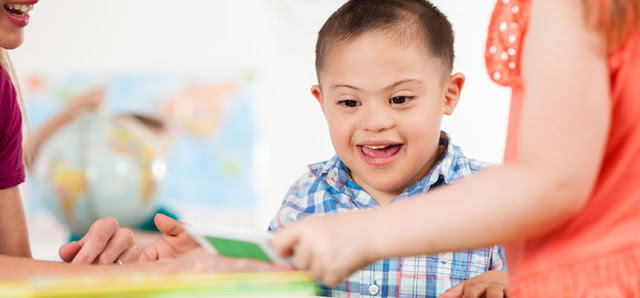
A neurological disorder affects the brain or better still undermines the ability of the brain and nervous system to function properly. In short terms, it is an abnormality of the nervous system- the brain, nerves, and spine. Cases with children are easily fingerprinted as certain symptoms are apparent as a child grows. Some cases, however, require a medical examination to recognize. It makes sense to catch the drift early when you are dealing with neurological disorders. Early interventions by the best neurologists can ease the treatment. Seek advice from the best neurologist in Gurgaon, especially in the case with a child, it is a must, so it doesn’t affect the child’s quality of life. For early detection, always look out for these signs: Bad muscle control  Uncoordinated muscle apparent in a child’s walking gait in form of inability to coordinate movements, it is known as ataxia. This leads to shaky, unsteady movements. This symptom is usually noticed when a child star...

Headache Vs. Migraine - Differences You Need To Know

Image
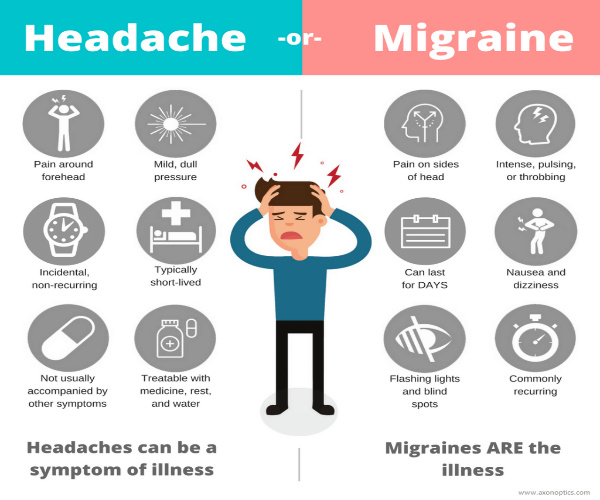
Headaches and Migraines both can cause unbearable pain but not all headaches are migraines. Here, we will take you through the difference between the two so that you can opt for the right treatment. Headaches They are one of the most common health problems faced by people frequently due to stress, fatigue, exposure to heat, sinus congestion and other such issues. They can range from moderate to severe and affect different portions of the head. Migraine Healthcare professionals tend to categorize all chronic headaches as a migraine but a migraine is strictly a neurological disorder , which is categorized by rigorous muscle spasms. When you are exposed to excessive flashing lights or disturbing visuals for long, it triggers migraines. The people who suffer from a migraine feel tired, anxious, depressed, and sensitive to loud noise and bright lights too. What causes a migraine or a headache? Any neurologist in India considers genetics as one reason for a migraine in kids. Ap...

Here's How Some Neurological Disorders Can be Treated By Botox

Image
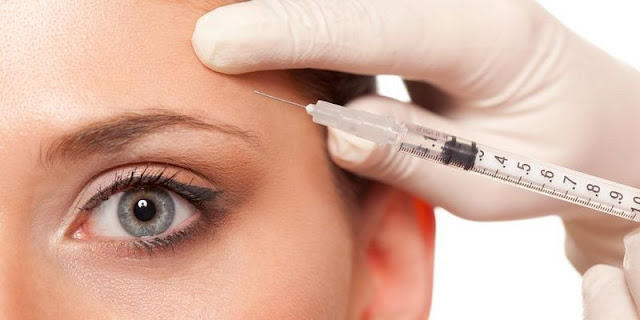
Botox or Botulinum Toxin Injections are well known for their cosmetic abilities to do away with the fine lines and wrinkles. But, little do people know that regular Botox Injections are a cure to many neurological disorders such as a migraine as well. Neurology in India has reached new heights and here’s how neurologists in India are using Botox to treat neurological disorders. How does this work? Botox is a drug derived from a naturally occurring organism called Clostridium botulinum. Small dosages of this drug are injected into the skin by doctors to paralyze or make some muscles numb and block nerve endings. When speaking of treating neurological disorders through Botox, Neurology Hospitals use it to block the communication between the muscles and nerves, rendering the muscle neutral. By doing so, involuntary muscle spasms and other disorders can be dealt with. Plus, by blocking the nerve endings, pain signals fail to reach your brain so you experience none of it. ...

A Useful Guide of Detecting the Stroke & Dealing with It

Image
When stroke advances to a chronic stage, it has long term devastating effects causing death of victims. What it usually does is to cut supply of oxygenated blood to the brain. Without oxygen to the brain, brain cells suffer significant damages and several parts of the body that depend on the brain also stop to work. In other words, it’s an attack on the brain that cause failure of some other part of the body. While it’s one of the leading cause of death (5th killer disease) and long-term disabilities in middle-aged and aged folks, early brain stroke treatment minimizes its effects and prevents death. On this account, it’s important to know and be wary of its  early signs and symptoms plus  how to deal with them. In a bid and quest to savage, the term F.A.S.T is used to describe and remember brain stroke symptoms and signs : Face drooping- numbness is experienced in part or whole of the face. Eyes may get twitchy sometimes. Arm frailty- this happens...